Source eco friendly nickel free swimwear chain for bikinis, bras, and garments
Compare 30 listings of eco friendly nickel free swimwear chain suitable for bikinis, bras, and garments. These metal fasteners feature anti-corrosion properties and are available in various colors and custom sizes for swimwear and garment applications.
Key considerations
Products List


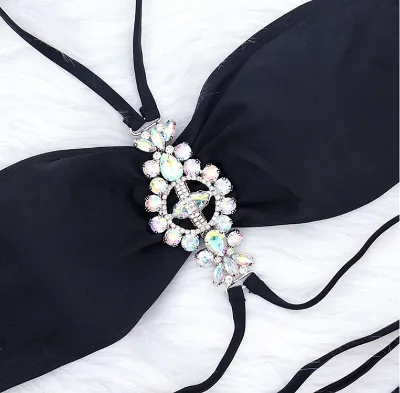
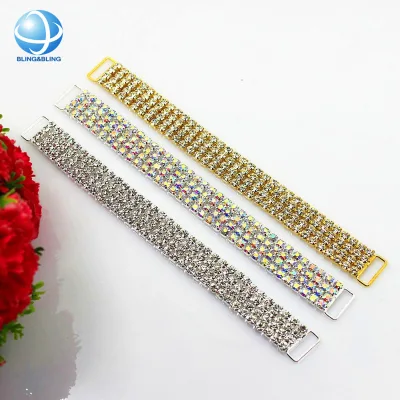


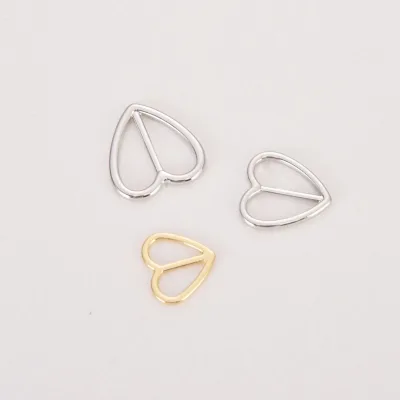

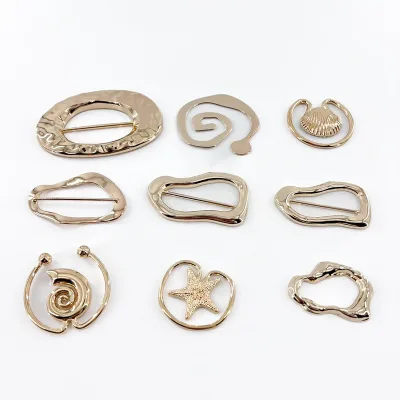



Comprehensive Sourcing Guide
Eco Friendly Nickel Free Swimwear Chain Sourcing Guide
Sourcing eco-friendly, nickel-free chains for swimwear requires a strategic approach that balances aesthetic durability with strict material safety standards. The primary challenge lies in identifying components that withstand the corrosive nature of saltwater and chlorine while maintaining a hypoallergenic profile for sensitive skin. Buyers must prioritize suppliers who explicitly validate their anti-corrosion claims through material composition rather than relying solely on surface plating, as the latter can degrade over time in aquatic environments.
Procurement decisions should be grounded in verified product attributes such as the specific alloy composition and the presence of nickel-free certifications. Since the market offers a range of finishes including silver, gold, gun metal, and rose gold, the selection process must ensure that the chosen color does not compromise the underlying safety requirements. A rigorous vetting process is essential to confirm that the "eco-friendly" designation aligns with actual manufacturing practices, ensuring the final product meets both regulatory compliance and brand sustainability goals.
Product Scope and Observed Listing Signals
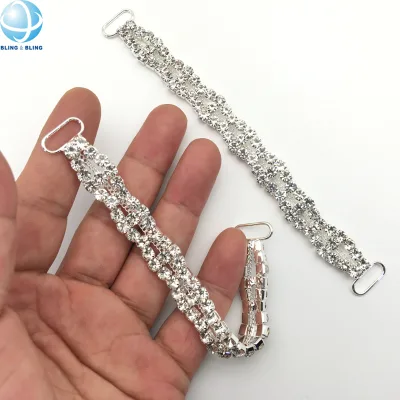
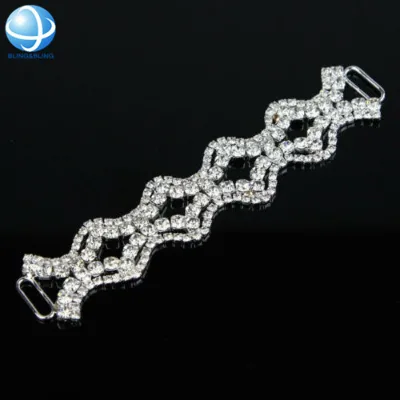
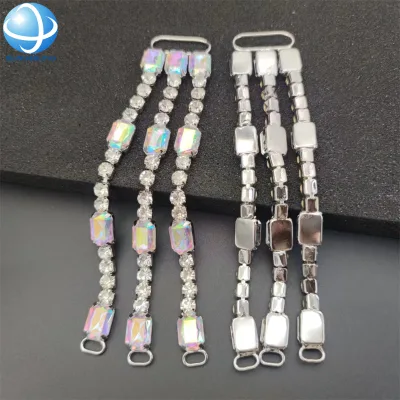
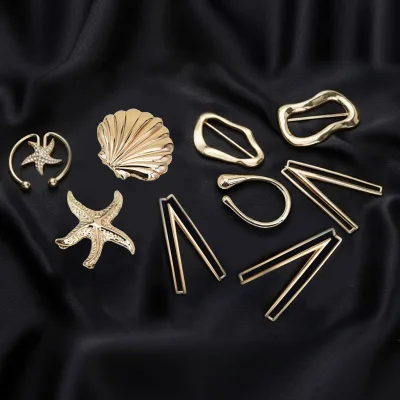
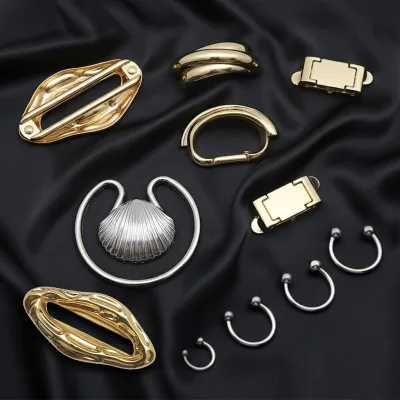
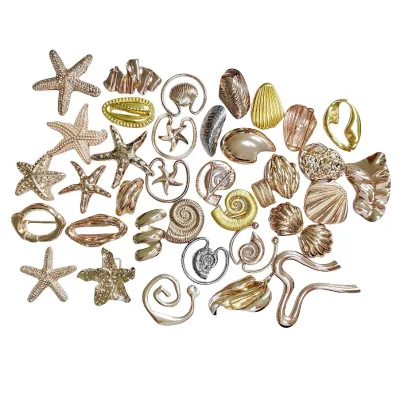
The current market landscape for swimwear chains reveals a diverse range of product types, from fishbone and irregular link shapes to simple fasteners designed specifically for bikinis and bras. Listings indicate that these components are frequently marketed with color-matching capabilities or custom finishes, allowing designers to integrate them seamlessly into various garment styles. The observed product models suggest a high degree of customization, with standard sizes ranging from 2cm to 10cm, though some specific models may require reference to images for precise dimensional details.
Buyers should note that while many listings highlight "eco-friendly" and "durable" characteristics, the actual stock availability varies significantly, with many suppliers operating on a non-stock, made-to-order basis. The application scope is broad, covering swimwear, bikinis, and general garments, but the specific usage often dictates the required mechanical strength and corrosion resistance. It is critical to distinguish between general fashion fasteners and those engineered specifically for the harsh conditions of swimwear, as the latter demand higher standards for material integrity and finish longevity.
Technical Specifications to Verify
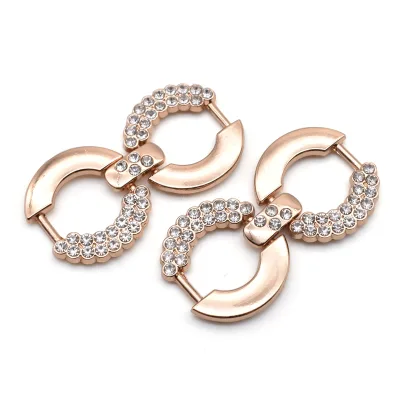
When evaluating technical specifications, the chain link shape and the plating technique are critical indicators of long-term performance in aquatic environments. Products featuring fishbone or irregular link shapes often require specific plating methods to ensure uniform coverage and prevent weak points where corrosion could initiate. Buyers must verify that the plating process is robust enough to protect the metal core, especially given that the material composition often includes alloys, crystal, rhinestone, or glass elements that may react differently to chemical exposure.
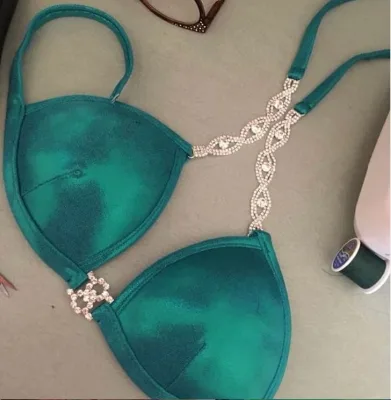
Dimensional consistency and packaging standards are equally vital for maintaining quality control during the assembly process. Specifications such as single package sizes and model numbers like YHMC0814 or XAL007 serve as essential reference points for ensuring that the components fit the intended design without requiring extensive modification. The "custom-made" nature of many listings implies that buyers need to provide precise size requirements, as standard offerings may not cover the full spectrum of design needs, particularly for specialized applications like crystal bikini connectors.
Compliance and Safety Documentation
Compliance with safety standards is non-negotiable when sourcing nickel-free components for swimwear, as direct skin contact necessitates strict adherence to hypoallergenic requirements. The presence of Oeko-Tex Standard 100 certification is a strong indicator that the product has been tested for harmful substances, providing a baseline of safety for end-users. However, buyers should not assume that all listed products automatically possess this certification; it must be explicitly confirmed for each batch or supplier to ensure that the "nickel-free" claim is backed by independent laboratory testing.
Beyond material safety, the environmental impact of the manufacturing process must be scrutinized to validate the "eco-friendly" marketing claims. While some background knowledge suggests certifications like GOTS, the primary focus should remain on the specific attributes listed, such as the absence of nickel and the use of anti-corrosion treatments that do not introduce toxic byproducts. Documentation should clearly outline the material composition, confirming that the alloy and plating processes align with sustainable practices and do not rely on hazardous chemicals that could leach into the water or harm the wearer.
Cost Drivers and Commercial Terms
The cost of eco-friendly, nickel-free swimwear chains is influenced by several factors, including the complexity of the plating process, the inclusion of decorative elements like crystals or rhinestones, and the level of customization required. Products with custom colors or specific link shapes often command higher prices due to the specialized tooling and manual labor involved in their production. Additionally, the MOQ (Minimum Order Quantity) can vary widely, ranging from as low as 1 piece to 10,000 pieces, which significantly impacts the unit cost and the feasibility of small-batch production runs.
Commercial terms such as lead times and sample availability play a crucial role in the procurement timeline, particularly for brands with tight production schedules. While some suppliers offer a 7-day sample order lead time, the actual production lead time for custom orders may extend beyond this initial window. Buyers must carefully negotiate these terms to ensure that the supply chain remains flexible enough to accommodate design changes or urgent restocking needs without incurring excessive penalties or delays.
Supplier Qualification and Quality Control
Supplier qualification should focus on verifying the origin of the products and the consistency of their manufacturing processes, with Guangdong, China, being a prominent hub for this type of hardware. It is essential to confirm that the supplier has a robust quality control system in place to maintain the integrity of the anti-corrosion and nickel-free claims across all production batches. Buyers should request detailed quality reports that include test results for material composition and plating thickness to ensure that the products meet the specified standards before mass production begins.
Quality control measures must also address the physical integrity of the chains, ensuring that the link shapes and fasteners function correctly under stress. Since the products are often used in swimwear, which undergoes significant stretching and exposure to elements, the mechanical strength of the fasteners must be validated. Suppliers should be able to demonstrate their ability to maintain consistency in color matching and finish quality, as variations in these attributes can lead to customer dissatisfaction and returns.
Long-Term Procurement Checks
Establishing a long-term procurement strategy requires regular audits of supplier performance and ongoing verification of product compliance. Buyers should implement a schedule for re-testing samples from new batches to ensure that the nickel-free and anti-corrosion properties remain consistent over time. This proactive approach helps mitigate the risk of supply chain disruptions and ensures that the brand's reputation for quality and safety is maintained throughout the product lifecycle.
Continuous monitoring of market trends and technological advancements in chain manufacturing is also necessary to stay competitive. As new materials and plating techniques emerge, suppliers may offer improved solutions that enhance durability or reduce environmental impact. Buyers should maintain open communication with their suppliers to stay informed about these developments and be prepared to adapt their sourcing strategies accordingly, ensuring that their swimwear collections remain at the forefront of innovation and sustainability.
FAQs
What materials are used for eco friendly nickel free swimwear chains?
These chains are primarily constructed from metal, alloy, and crystal components. The materials are selected to ensure they are nickel-free and durable. Some designs incorporate rhinestones and glass for aesthetic appeal. The metal elements provide structural integrity while meeting safety standards for direct skin contact in swimwear applications.
Can I customize the buckle color for these swimwear chains?
Yes, customization is available for the buckle color. Options typically include silver, gold, gun metal, and rose gold. You can also request color matching or fully customized finishes to align with your brand identity. This flexibility allows for precise coordination with various swimwear fabrics and design themes.
What certifications do these nickel free swimwear chains hold?
The products hold the Oeko-Tex Standard 100 certification. This confirms the materials are tested for harmful substances and are safe for human use. The certification supports the eco-friendly and nickel-free claims, ensuring compliance with international safety standards for garments and swimwear accessories.
What is the minimum order quantity for these swimwear chains?
The minimum order quantity varies by supplier but can start as low as 100 pieces. Some listings indicate an MOQ of 100 pcs, while others may allow orders starting from 1 unit. Buyers should verify specific MOQ requirements with suppliers, as policies differ based on customization needs and stock availability.
How long is the sample order lead time for these chains?
Sample orders typically have a lead time of 7 days. Suppliers support quick turnaround for samples to allow for quality verification. This efficient timeline helps buyers assess material quality, finish, and fit before committing to larger production runs for their swimwear collections.
Are these swimwear chains adjustable or fixed in size?
The chains are generally non-adjustable and come in fixed sizes. Standard lengths range from 2cm to 10cm, with custom-made options available. The fixed design ensures secure fastening in swimwear and bikinis. Buyers can select standard sizes or request custom dimensions to match specific garment requirements.